Few celebrations are as vibrant, layered, or joy-filled as an Indian wedding. Between henna-stained hands at the Mehndi, thunderous dhol drums during the Baraat, and vows exchanged beneath a flower-draped mandap or in the presence of the Guru Granth Sahib, there’s rarely a quiet moment, and rarely a dull photograph. But capturing an Indian wedding well takes a photographer who understands not just when to raise the camera, but why each moment matters.
At AGI Studio, our Toronto wedding photographers have had the honour of documenting Indian weddings across the Greater Toronto Area, from intimate ceremonies at local Gurdwaras to sprawling, multi-day Hindu celebrations. Here’s a look at the traditions you can expect, and how we think about photographing each one.
Understanding an Indian Wedding in Toronto
Toronto is home to one of the largest South Asian communities in North America, and “Indian wedding” is really an umbrella term for many distinct traditions (Hindu, Sikh, Jain, and beyond), each with its own regional customs. What most Indian weddings share, though, is scale and structure: several days of interconnected celebrations, each with its own dress code, rituals, and mood.
Colour plays a huge role too. Where Western weddings often lean toward white and neutral palettes, Indian weddings embrace saturated reds, golds, pinks, and oranges throughout the décor and the outfits. It gives every stage of the celebration a rich, photogenic backdrop before we’ve even set up a single shot.
That scope is part of what makes Indian wedding photography so rewarding. It’s rarely just one event to plan around. It’s a full narrative arc, and every stage deserves its own approach.
The Mehndi Ceremony: Colour, Artistry, and Connection
The Mehndi is often the first major celebration of the wedding, typically held a day or two before the main event. An artist applies intricate henna designs to the bride’s hands and feet, and often to her bridal party as well, while family and friends gather to celebrate with music, food, and dancing.
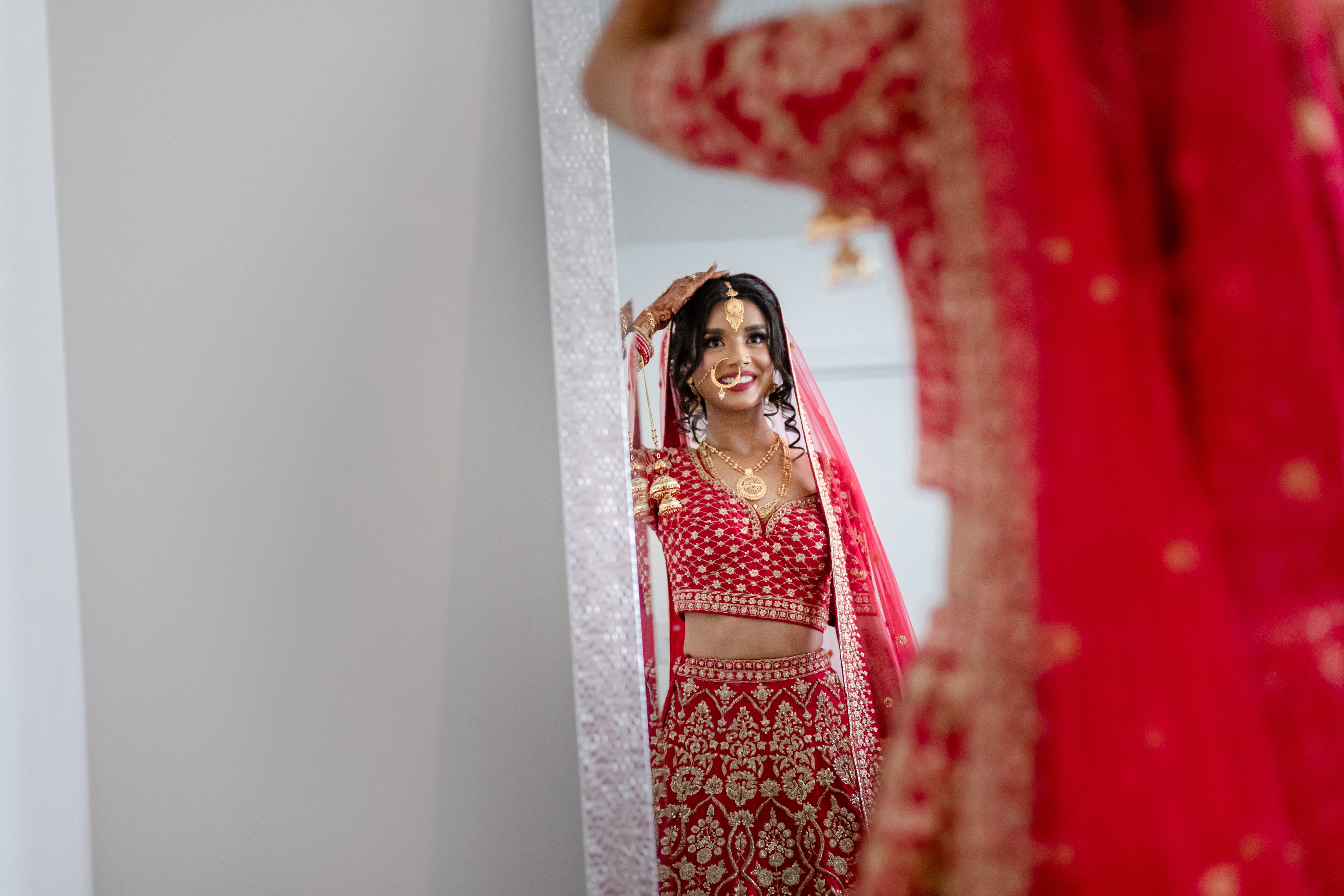
For photographers, the Mehndi is a gift. The setting is usually relaxed and sunlit, which makes for soft, natural portraits, and the details are everywhere: the fine lines of the henna itself, the bride’s laughter as she waits for it to dry, the bangles and marigolds that so often decorate the space. We love pairing close-up detail shots with candid, documentary-style images of the celebration happening around her.
Sangeet and Haldi: The Nights Before
Sangeet: A Night of Music and Dance
The Sangeet has grown into one of the most anticipated events of an Indian wedding weekend. Family members often spend months preparing choreographed dance performances, and the night can feel more like a concert than a wedding function, complete with a stage, lighting, and sometimes even a live band.
Photographing the Sangeet means staying quick on your feet. We position ourselves to catch both the performers mid-routine and the reactions in the crowd, since the joy on a grandparent’s face watching their grandchild dance is often just as memorable as the performance itself.
Haldi: Turmeric, Laughter, and Tradition
The Haldi is a playful, hands-on tradition where family members apply a turmeric paste to the bride and groom, believed to bless the couple and give their skin a natural glow before the wedding day. It’s messy, joyful, and often produces some of the most candid, unguarded photos of the entire celebration.
We always tell couples not to worry about posing for the Haldi. The best photos come from letting the paste fly and capturing the laughter that follows.
The Baraat: A Joyful, High-Energy Arrival
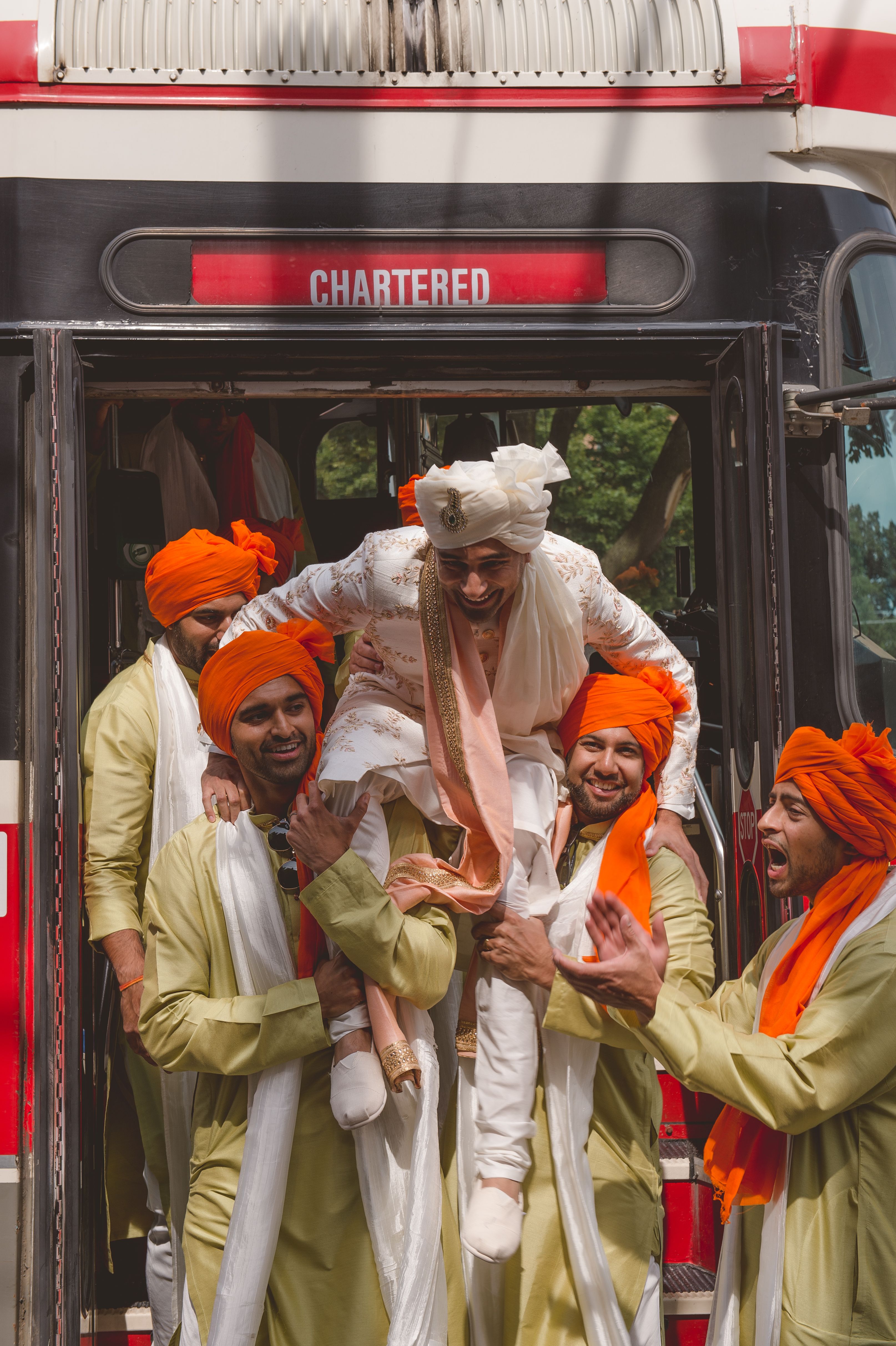
The Baraat is the groom’s processional entrance, and it’s built for photography. Surrounded by dancing family and friends, often to the beat of a dhol drummer, the groom makes his way toward the ceremony, sometimes arriving on a decorated horse or in an elaborately adorned car that becomes a photo opportunity all its own.
Because the Baraat moves, and moves quickly, we shoot it the way we’d cover a live event: wide shots to capture the scale and energy of the procession, paired with tighter shots that catch the groom’s expression as the moment sinks in. It’s one of the few times all day when the entire wedding party is dancing together, so we make sure not to miss it.
The Main Ceremony: Sacred Vows and Timeless Rituals
As we mentioned, the ceremony itself looks different depending on a family’s specific traditions. Two of the ceremonies we’re most often honoured to photograph in Toronto are Hindu and Sikh weddings, though we always ask couples to walk us through their own customs well before the big day.
Hindu Ceremonies: The Mandap and Saptapadi
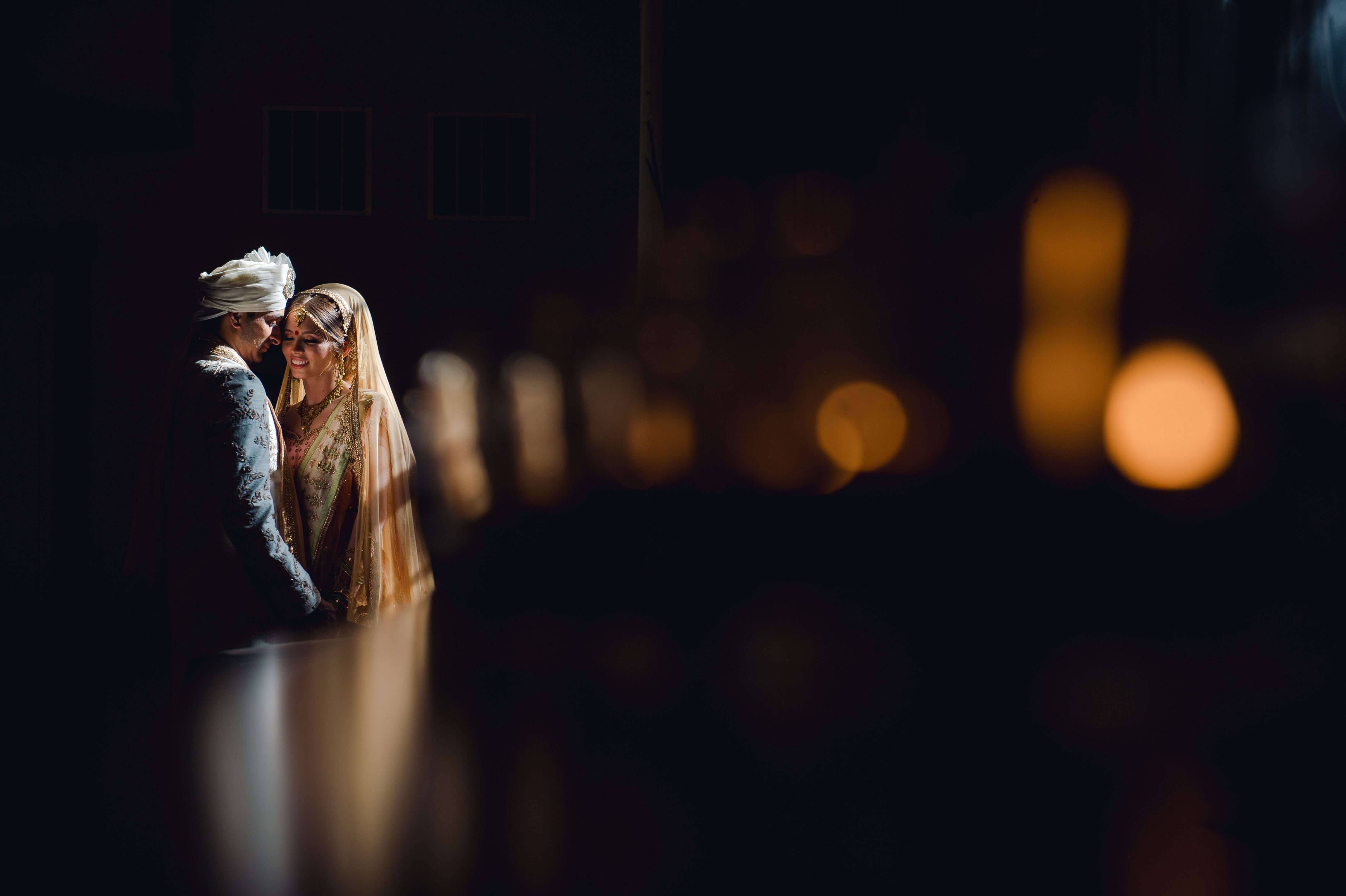
A Hindu wedding ceremony typically takes place beneath a mandap, a decorated four-pillared canopy that represents the couple’s new home together. Rituals often include the jaimala, an exchange of floral garlands, and the saptapadi, in which the couple takes seven steps or circles a sacred fire together, each one representing a vow for their life ahead. Wikipedia’s overview of Hindu weddings is a helpful starting point if you’d like to read more about the customs involved.
Because many of these rituals are seated and layered with symbolism, we photograph the ceremony with long lenses and minimal movement, capturing every gesture without ever becoming part of the moment ourselves.
Sikh Ceremonies: The Anand Karaj
A Sikh wedding, or Anand Karaj, takes place in a Gurdwara in the presence of the Guru Granth Sahib. The couple circles the scripture four times while hymns called the Laavaan are read and sung, each one marking a stage of their spiritual and married life together. You can find more detail on the ceremony’s structure in this overview of the Anand Karaj.
The atmosphere is reverent but warm, and our approach shifts accordingly: quiet, respectful positioning, with close attention to the small moments, like a shared glance or a parent’s hand on their child’s shoulder, that tell the emotional story of the day.
The Reception: Where the Celebration Continues
If the ceremony is the heart of an Indian wedding, the reception is where the celebration truly opens up. Grand entrances, elaborate décor, multi-course meals, and hours of dancing are the norm, often inside one of Toronto’s larger banquet halls or event spaces built to hold hundreds of guests. If you’re still deciding on a venue, our roundup of Toronto’s top indoor wedding photo locations is a good place to start.
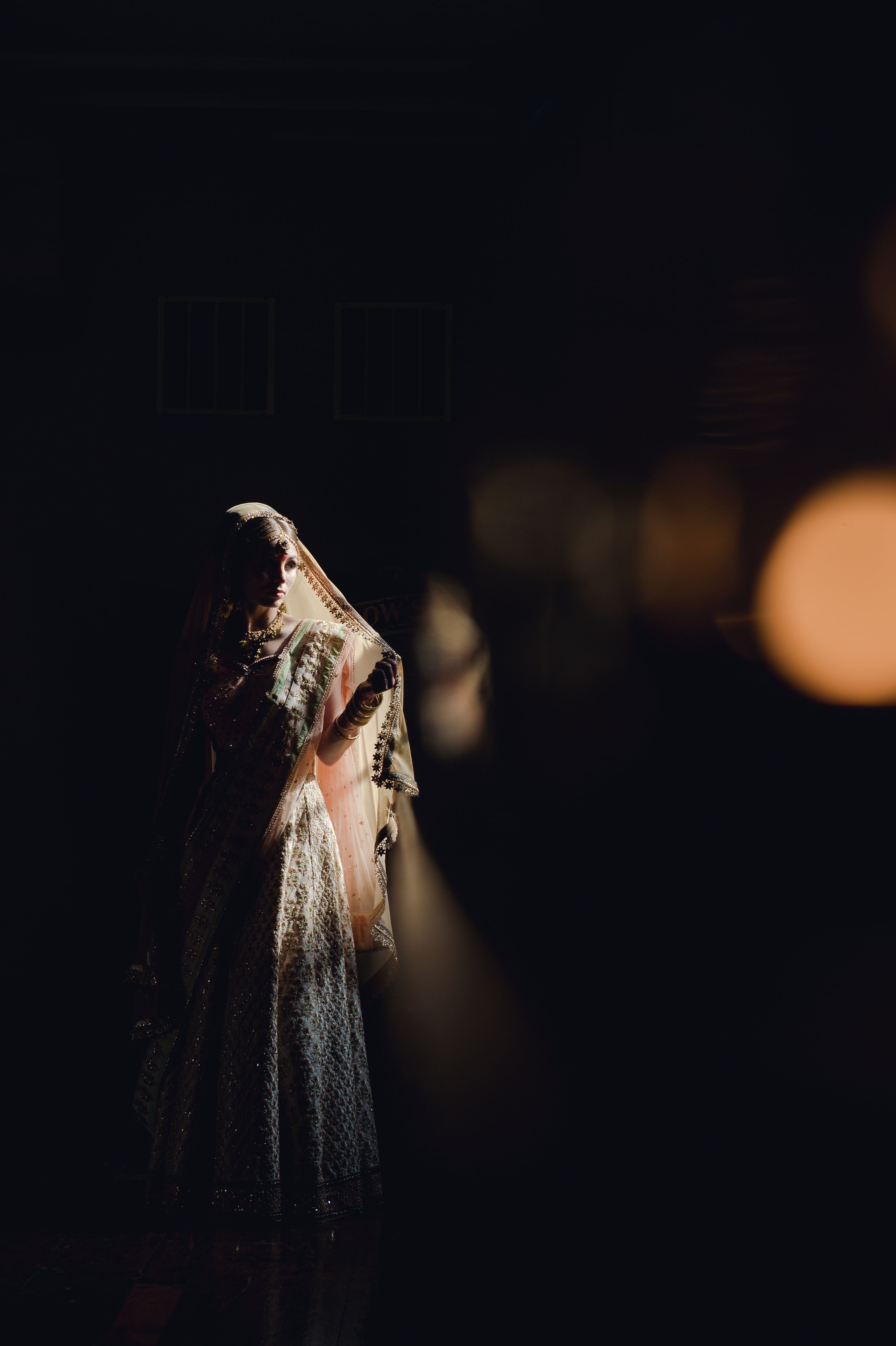
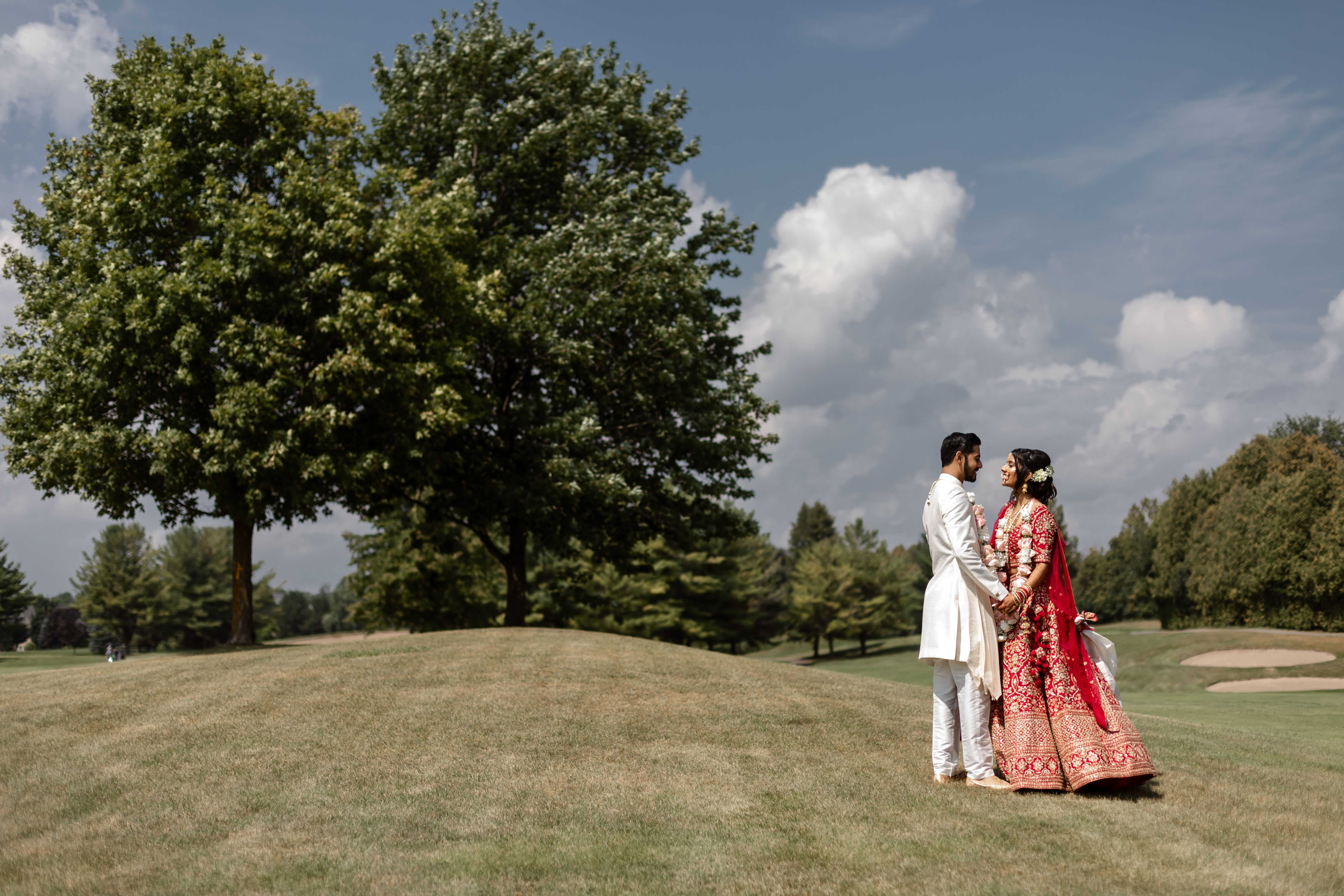
Many brides also change outfits between the ceremony and reception, often moving from a red or richly coloured lehenga into something equally striking for the evening. We always build a few extra minutes into the timeline for a fresh round of portraits when that happens.
Our approach here is all about coverage. With multiple photographers on-site, we capture the formal moments, like the couple’s grand entrance and family portraits, while still catching the candid ones happening on the dance floor at the very same time.
An Indian wedding is rarely just one event. It’s a full weekend of ceremonies, each with its own energy, meaning, and visual language, and it deserves a Toronto wedding photography team that can keep up with all of it. At AGI Studio, we bring cultural awareness, an unobtrusive shooting style, and the technical experience to move between an intimate Mehndi and a packed reception dance floor without missing a beat.
We know that no two Indian weddings look exactly alike, and we’d never assume otherwise. Before your wedding day, we sit down with you to understand your family’s specific traditions, so every ritual is captured with the accuracy and respect it deserves. If you’re curious how we approach other cultural traditions, our guide on choosing a wedding photographer for your Chinese wedding is worth a read too.
Planning an Indian wedding in Toronto?
Let AGI Studio’s Toronto wedding photography team help you capture every ceremony, from the first henna cone to the last dance. Contact us today to learn more about our packages and availability.